Introduction
Process control depends on precise level data. Even small measurement errors can disrupt production, increase material waste, or trigger safety risks. A Guided Wave Radar Level Transmitter helps solve this challenge by sending microwave pulses along a probe to detect the exact product level inside tanks or vessels. Because the signal follows a guided path, it remains stable even in vapor, foam, or turbulent conditions. In this article, we explore how guided wave radar technology works and how it helps industries improve automation, safety, and process efficiency.
Understanding the Fundamentals of Guided Wave Radar Level Transmitters
Time Domain Reflectometry (TDR): The Measurement Principle
Guided wave radar technology works through Time Domain Reflectometry. The Guided Wave Radar Level Transmitter sends a low-energy microwave pulse along a probe that extends into the tank. When the signal reaches the product surface, a portion of the wave reflects back to the transmitter. The device measures the time required for this return signal. Because microwave signals travel at a constant speed, the instrument converts the time difference into an accurate distance measurement. This distance indicates the level inside the vessel. The approach allows precise readings regardless of vapor, temperature changes, or agitation inside the tank.
Key Components of a Guided Wave Radar Level Transmitter
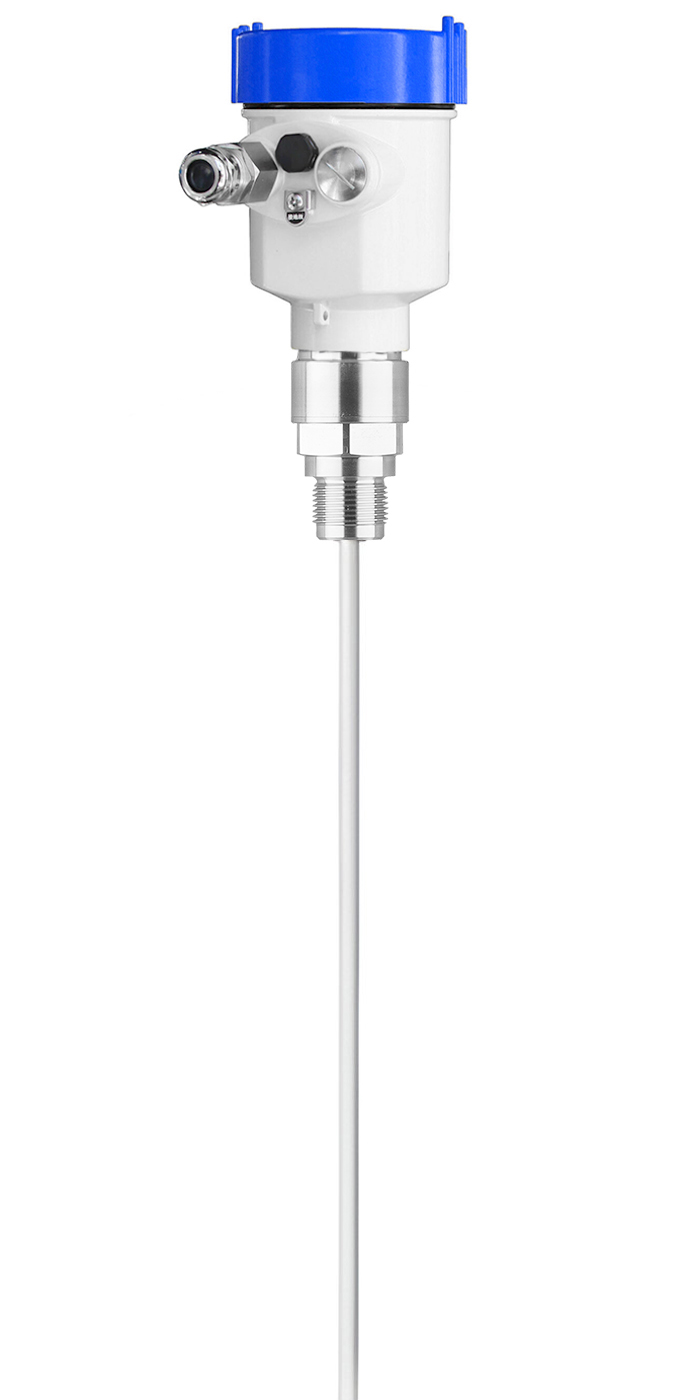
A typical Guided Wave Radar Level Transmitter includes several integrated components that work together to deliver accurate measurement. The microwave pulse generator produces the signal used for measurement. A probe or waveguide directs the signal toward the material surface. The receiver captures the reflected signal and transfers it to the processing electronics. Advanced processors then calculate the distance between the probe reference point and the product surface. Finally, the transmitter communicates the measurement through industrial protocols such as HART or Modbus. Each component ensures the system maintains reliable measurement performance across industrial environments.
Signal Processing and Measurement Accuracy
Reliable level measurement depends heavily on how the transmitter processes reflected radar signals. Modern Guided Wave Radar Level Transmitters use advanced digital filtering, echo evaluation, and waveform analysis to isolate the true level signal from noise, vapor reflections, or internal tank structures. The following overview highlights the key signal processing functions and technical indicators commonly used in industrial radar level instruments.
| Signal Processing Function | Technical Principle | Typical Technical Parameters | Industrial Application | Engineering Considerations |
| Echo Detection Algorithm | Identifies the strongest reflection from the product surface while rejecting secondary echoes | Measurement accuracy typically ±2 mm; signal response time 1–5 s | Continuous level monitoring in process vessels | Ensure probe installation avoids large obstructions that could generate false echoes |
| Digital Noise Filtering | Filters electromagnetic interference and background noise from signal waveform | Signal-to-noise ratio typically >60 dB | Chemical tanks with vapor, dust, or agitation | Proper grounding and shielding help maintain signal stability |
| Time-of-Flight Calculation | Calculates distance using microwave pulse travel time along probe | Microwave propagation speed ≈3×10⁸ m/s; resolution often <1 mm | Precision level measurement in batch reactors | Calibration should reference probe length and tank geometry |
| Multi-Echo Tracking | Distinguishes between true product surface echoes and reflections from foam or internal structures | Echo processing frequency typically 1–10 Hz | Tanks with mixers, ladders, or turbulent surfaces | Use guided probe alignment to reduce structural reflections |
| Interface Detection Processing | Detects multiple reflection points for layered liquids | Interface detection effective when dielectric difference ≥5 | Oil-water separation tanks, settling vessels | Requires sufficient dielectric contrast between layers |
| Temperature Compensation | Adjusts signal interpretation based on electronic temperature variation | Operating electronics typically −40°C to +80°C | Outdoor installations and high-temperature vessels | Maintain proper transmitter ventilation and housing protection |
| Data Output Resolution | Converts processed signal into digital or analog output values | Analog output: 4–20 mA; digital protocols: HART, Modbus, PROFIBUS | Integration with SCADA, PLC, or DCS systems | Confirm scaling configuration during commissioning |
Tip:Accurate signal processing also depends on proper probe installation. Maintaining sufficient distance from tank walls, agitators, or inlet pipes helps reduce false echoes and ensures the transmitter identifies the true product surface reflection.
How Guided Wave Radar Technology Optimizes Process Control
Real-Time Level Data for Stable Process Automation
Modern automation systems depend on fast and reliable measurement feedback. Guided Wave Radar Level Transmitters typically deliver update cycles between 1 and 5 seconds, enabling continuous monitoring of tank levels. These signals are transmitted through 4–20 mA outputs or digital protocols to PLC and DCS platforms. Control systems can then adjust pump speeds, valve positions, or dosing rates automatically based on real-time level data. This closed-loop control approach stabilizes process conditions, reduces manual intervention, and ensures consistent material flow in batching, mixing, and continuous production operations.
Improved Inventory and Resource Management
Efficient material management requires accurate and continuous storage monitoring. Guided Wave Radar Level Transmitters provide precise tank level measurements that can be converted into volume calculations using tank geometry data within SCADA systems. In large storage facilities, this allows operators to monitor inventory levels across multiple tanks from a central dashboard. Real-time data also supports automated inventory reporting and delivery scheduling. By maintaining accurate stock visibility, facilities can reduce overstocking, avoid unexpected shortages, and improve coordination between production planning and supply chain logistics.
Enhanced Safety Through Precise Level Monitoring
Reliable level monitoring plays a critical role in plant safety systems. Guided Wave Radar Level Transmitters can be integrated with high-level alarms and emergency shutdown systems to prevent overflow events in storage tanks and reactors. Many industrial installations configure multiple alarm thresholds, such as high, high-high, or low-level alarms, within control systems. When these thresholds are reached, automated responses such as pump shutdown or valve closure are triggered. Accurate level data also protects pumps from dry running, reduces spill risks, and supports compliance with industrial safety standards.
Core Advantages of Guided Wave Radar Level Transmitters in Industrial Processes
Exceptional Accuracy in Harsh Process Conditions
In demanding industrial environments, measurement stability depends on signal integrity. Guided Wave Radar Level Transmitters maintain accuracy because microwave pulses travel directly along a metallic probe rather than through open air. This guided path reduces signal attenuation caused by vapor, condensation, or dust. Many industrial models maintain measurement accuracy around ±2 mm and can operate in temperatures from −40 °C to over 200 °C. In pressurized vessels exceeding 40 bar, the guided signal path still provides stable reflection detection, ensuring reliable level monitoring even in boilers, separators, or heated process tanks.
Reliable Performance Despite Process Variations
Process environments often involve fluctuations in temperature, pressure, and product composition. Guided Wave Radar Level Transmitters operate based on the dielectric constant difference between air and the process medium rather than density or viscosity. This allows consistent measurement even when product properties change during mixing, heating, or chemical reactions. Advanced echo-processing algorithms further stabilize readings by filtering minor signal disturbances. Because of this measurement principle, guided wave radar instruments are widely applied in processes where materials shift between liquid phases, emulsions, or varying concentrations during production.
Capability to Measure Both Level and Interface
Multi-phase processes require precise detection of liquid layers within the same vessel. Guided Wave Radar Level Transmitters can detect two reflection points along the probe: one from the upper liquid surface and another from the interface between liquids with different dielectric constants. In oil–water separation systems, this allows operators to monitor both total liquid level and the interface boundary simultaneously. Accurate interface detection improves separation efficiency and enables automated discharge control. Typical systems can detect interface layers when the dielectric constant difference between the liquids exceeds approximately 5.
Industrial Applications Where Guided Wave Radar Level Transmitters Excel
Oil and Gas Storage and Separation Systems
In oil and gas operations, accurate level measurement is critical for storage management and phase separation processes. Guided Wave Radar Level Transmitters are commonly installed in crude storage tanks, separators, and condensate vessels where vapor, foam, or temperature fluctuations occur. Their guided signal path allows stable readings even in tanks exceeding 20–30 m in height. Many units support interface measurement, enabling operators to monitor oil–water separation layers precisely. This capability helps optimize separation efficiency, improve inventory accounting, and support automated transfer systems used in refineries and terminal facilities.
Chemical and Pharmaceutical Processing
Chemical and pharmaceutical plants often operate under strict control conditions where precise material levels influence reaction efficiency and product consistency. Guided Wave Radar Level Transmitters are widely used in reactors, solvent storage tanks, and dosing systems because they maintain measurement stability despite vapor, agitation, or density variation. Instruments are often constructed with corrosion-resistant materials such as 316L stainless steel or PTFE coatings to handle aggressive chemicals. High measurement resolution helps maintain accurate batch control, ensuring precise ingredient ratios and stable process performance during continuous or batch production cycles.
Food, Beverage, and Hygienic Production
Food and beverage processing requires sensors that combine measurement accuracy with hygienic design standards. Guided Wave Radar Level Transmitters used in these facilities often feature sanitary process connections such as Tri-Clamp fittings and polished stainless steel probes that comply with hygienic manufacturing guidelines. They are commonly applied in milk storage tanks, fermentation vessels, and syrup blending systems. Because radar measurement is unaffected by condensation or foam, operators receive stable readings during mixing or heating processes. This stability supports consistent ingredient control and helps maintain uniform product quality throughout production.
Selecting the Right Guided Wave Radar Level Transmitter for Optimal Performance
Matching Probe Types to Process Media
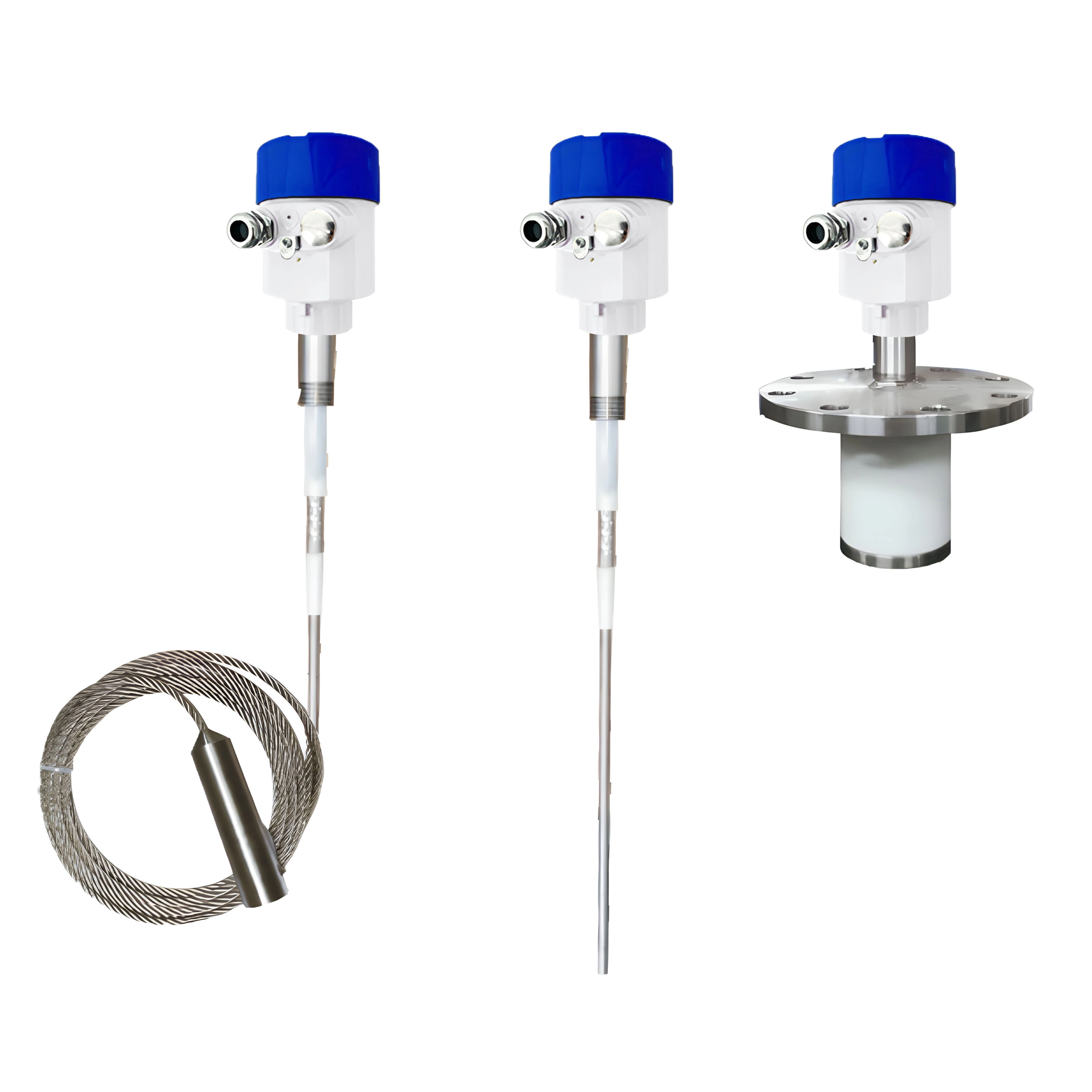
Selecting the proper probe type directly influences signal strength and measurement reliability. Guided Wave Radar Level Transmitters typically offer single rod, twin rod, cable, and coaxial probes. Rod probes are suitable for clean liquids and shorter tanks, usually up to about 6 m. Cable probes perform well in tall storage vessels, often supporting measurement ranges above 30 m. Coaxial probes provide strong signal confinement, making them ideal for liquids with dielectric constants near 1.4–2.0. Engineers should also consider tank internals such as agitators or ladders to prevent signal interference and ensure stable measurement.
Considering Measurement Range and Accuracy Requirements
Measurement range and resolution must align with process control requirements. Most industrial Guided Wave Radar Level Transmitters provide measurement accuracy around ±2 mm under stable conditions. Short process vessels used in batching or dosing applications require fast response times and high precision. Large storage tanks prioritize extended measurement ranges and stable long-distance signal transmission. Engineers should also evaluate update rates, typically between 1–5 seconds, to ensure the instrument provides timely data for automation systems controlling pumps, valves, or inventory tracking.
Ensuring Compatibility with Process Conditions
Process conditions strongly influence sensor selection and long-term reliability. Guided Wave Radar Level Transmitters are commonly designed to operate within temperatures ranging from −40 °C to +200 °C, while high-pressure versions may support pressures above 40 bar. Probe materials such as 316L stainless steel, Hastelloy, or PTFE coatings help resist corrosion from aggressive chemicals. Engineers should also consider sealing technology, ingress protection ratings such as IP66 or IP67, and explosion-proof certifications for hazardous areas to ensure safe and durable operation.
Future Innovations in Guided Wave Radar Level Transmitter Technology
Wireless Monitoring and Remote Diagnostics
Modern wireless-enabled Guided Wave Radar Level Transmitters support protocols such as WirelessHART, NB-IoT, and LoRaWAN, allowing reliable data transmission from remote tanks or distributed facilities. These networks reduce wiring costs and enable monitoring across large industrial sites. Maintenance teams can access device diagnostics, signal quality indicators, and configuration parameters remotely through asset management software. This capability helps detect abnormal signal reflections, communication interruptions, or power issues early. As a result, operators can schedule maintenance proactively and maintain stable measurement performance across the plant.
Advanced Data Analytics and Smart Interfaces
Modern process plants increasingly combine level sensors with industrial analytics platforms. A Guided Wave Radar Level Transmitter can transmit continuous measurement data to SCADA dashboards or cloud analytics systems, where algorithms analyze long-term trends and operating patterns. Engineers can identify abnormal level fluctuations, detect process inefficiencies, and optimize tank utilization. Visualization tools also provide historical charts, alarm statistics, and predictive insights, enabling better planning of production cycles and inventory management while supporting more informed operational decisions.
Integration with Industrial IoT and Automation Platforms
Modern industrial plants increasingly integrate measurement devices into digital control systems. A Guided Wave Radar Level Transmitter can communicate directly with industrial networks, enabling real-time monitoring, remote configuration, and predictive maintenance. The structured overview below highlights how these transmitters typically integrate with automation platforms and IIoT infrastructure.
| Integration Category | Typical Technologies / Standards | Key Technical Parameters | Application Scenarios | Engineering Considerations |
| Industrial Communication Protocols | HART, Modbus RTU, PROFIBUS-PA, FOUNDATION Fieldbus | HART: 4–20 mA + digital overlay; Modbus RTU: RS-485 up to 115.2 kbps; PROFIBUS-PA: 31.25 kbps | Tank farms, chemical reactors, process vessels requiring centralized monitoring | Ensure protocol compatibility with the plant DCS or PLC before installation |
| Analog Signal Integration | 4–20 mA current loop | Current range: 4–20 mA; typical resolution: 0.01 mA; loop power: 24 VDC | Legacy automation systems and simple PLC-based control architectures | Verify cable length limits (typically ≤1000 m depending on wiring) |
| Digital Network Connectivity | Ethernet/IP, Modbus TCP, Industrial Ethernet | Data rate up to 100 Mbps; IP-based addressing | Integration into SCADA dashboards and plant data historians | Requires industrial-grade switches and proper network segmentation |
| SCADA / DCS Integration | Distributed Control Systems (e.g., Siemens PCS7, Emerson DeltaV, ABB 800xA) | Typical polling interval: 1–10 seconds; signal accuracy up to ±2 mm (device dependent) | Continuous tank level monitoring and alarm management | Configure scaling, tag mapping, and alarm thresholds during commissioning |
| Wireless IIoT Communication | WirelessHART, NB-IoT, LoRaWAN | WirelessHART range: ~200 m between nodes; LoRaWAN: up to 10–15 km (open field) | Remote tank farms, offshore installations, distributed water systems | Ensure adequate gateway coverage and cybersecurity configuration |
| Data Analytics Integration | Cloud platforms, industrial data historians, predictive maintenance tools | Data sampling intervals typically 1–60 seconds | Process optimization, inventory tracking, predictive maintenance | Validate timestamp synchronization between sensor and data platform |
| Environmental Operating Parameters | Industrial-grade electronics housing | Operating temperature: −40°C to +80°C; ingress protection: IP66–IP68 depending on model | Outdoor installations, chemical plants, energy facilities | Select housing materials compatible with process environment |
Tip:When integrating a Guided Wave Radar Level Transmitter into an IIoT environment, engineers should first confirm protocol compatibility and network architecture. Proper mapping between transmitter tags and control system variables ensures accurate real-time monitoring and reliable automation performance.
Conclusion
Accurate level measurement is essential for stable process control and efficient industrial operations. A Guided Wave Radar Level Transmitter delivers reliable readings by guiding microwave signals along a probe, ensuring stable performance even in complex environments. Industries such as oil, chemical processing, and food production rely on this technology to maintain safety and efficiency. Jiangsu Jiechuang Science And Technology Co., Ltd. offers advanced radar level solutions with strong durability, precise measurement capability, and professional technical support to help customers optimize modern automated processes.
FAQ
Q: What is a Guided Wave Radar Level Transmitter?
A: A Guided Wave Radar Level Transmitter measures tank levels using microwave pulses along a probe.
Q: Why use Guided Wave Radar Level Transmitter in process control?
A: A Guided Wave Radar Level Transmitter provides stable, precise level data for automation systems.
Q: How does Guided Wave Radar technology measure liquid levels?
A: The Guided Wave Radar Level Transmitter calculates distance by analyzing signal reflection time.
Q: Where is a Guided Wave Radar Level Transmitter commonly used?
A: Industries include oil, chemical, and food processing tanks requiring reliable level monitoring.
Q: Is Guided Wave Radar better than ultrasonic sensors?
A: A Guided Wave Radar Level Transmitter performs better in vapor, foam, and turbulence.


