Introduction
What if a storage tank runs empty overnight or overfills without warning? Many industries rely on liquid tanks every day, yet traditional inspections still depend on manual checks that waste time and increase risk. A modern Tank Level Indicator with remote transmission solves this problem by delivering real-time level data directly to monitoring systems. Operators can track tank conditions from anywhere while receiving instant alerts and operational insights. In this article, you will learn how remote tank monitoring improves safety, efficiency, and inventory management across industrial operations.
How Remote Transmission Output Transforms Tank Level Indicator Systems
From Local Measurement to Networked Tank Level Indicator Data
Traditional tank measurement relies on local readings taken directly at the tank. A modern Tank Level Indicator converts liquid level data into electrical signals that can travel through communication networks. Sensors detect pressure, distance, or capacitance and convert those values into digital signals. These signals move to a central monitoring platform where operators can view them instantly. Instead of isolated measurements, the system creates a connected network of tank data. Operators no longer depend on periodic manual checks. They gain continuous visibility into tank conditions, allowing them to manage liquid assets with higher accuracy and confidence.
Real-Time Data Transmission Through Wireless Telemetry
Wireless telemetry enables continuous communication between the Tank Level Indicator and monitoring software. The sensor collects level data and sends it through communication technologies such as LoRaWAN, cellular networks, or industrial wireless protocols. The information reaches control platforms in seconds, giving operators a live view of tank conditions. Because the transmission happens automatically, businesses maintain constant awareness of inventory levels and equipment status. Real-time data improves operational visibility and helps teams react quickly to changes in tank levels, ensuring smoother workflows and more efficient resource planning.
Integrating Tank Level Indicators with Industrial Monitoring Platforms
Modern tank monitoring systems integrate easily with industrial software environments. A Tank Level Indicator equipped with remote output can connect to SCADA systems, cloud dashboards, or IoT management platforms. This integration allows tank data to appear alongside other operational information such as pressure, temperature, or pump activity. When all data streams combine in one interface, managers gain a complete picture of plant operations. The result is improved coordination across departments and stronger decision-making capabilities based on accurate, centralized information.
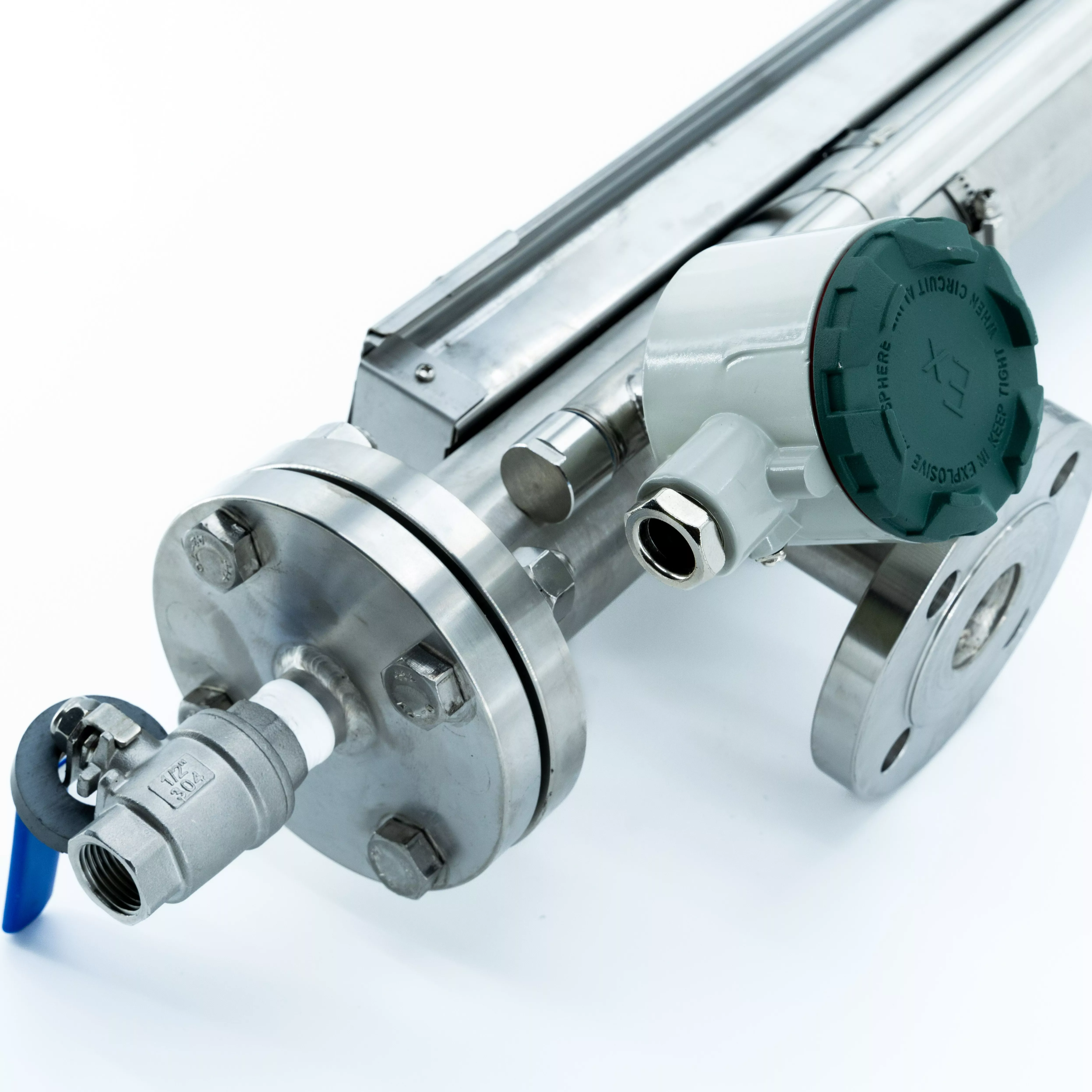
Key Advantages of Remote Transmission Output in Real-Time Tank Level Tracking
Instant Visibility into Tank Levels Across Multiple Sites
Remote transmission allows operators to monitor many tanks at once from a single interface. A network of Tank Level Indicator devices sends live measurements to centralized dashboards. Managers can check tank levels across multiple facilities without traveling to each site. This visibility helps companies maintain stable supply levels and detect unusual patterns quickly. It also simplifies the management of distributed assets such as fuel depots, irrigation tanks, or chemical storage units located across large industrial areas.
Automated Alerts for Critical Level Changes
Industrial tank monitoring systems rely on automated alarms to prevent unsafe operating conditions. When a Tank Level Indicator detects abnormal level changes, configurable alerts notify operators immediately. Proper alarm configuration ensures early intervention and protects both equipment and stored liquids.
| Alert Type | Typical Threshold Setting | Communication Method | Typical Response Time | Applicable Tank Type | Key Technical Parameters | Operational Purpose | Important Considerations |
| High-Level Alarm | 80–90% of tank capacity | SMS, SCADA alarm, email | <5 seconds after detection | Fuel tanks, chemical storage tanks | Sensor accuracy ±0.1–0.5% FS; update rate 1–60 sec | Prevent overfilling during transfer operations | Alarm should activate before overflow protection limit |
| High-High Level Safety Alarm | 90–95% of tank capacity | SCADA shutdown signal, siren alarm | <2 seconds | Petroleum storage tanks, hazardous liquid tanks | Independent safety relay output; 24 VDC alarm circuit | Automatic shutdown of pumps or valves | Often required by API and industrial safety guidelines |
| Low-Level Alarm | 15–25% of tank capacity | Mobile notification, SCADA message | 5–10 seconds | Fuel supply tanks, irrigation tanks | Measurement resolution 1–5 mm depending on sensor | Ensure sufficient reserve inventory | Threshold depends on pump suction requirements |
| Low-Low Level Alarm | 5–10% of tank capacity | Control system alarm, SMS alert | <5 seconds | Process feed tanks | Sensor refresh rate 1–10 sec; alarm relay output | Prevent pump dry-run or process interruption | Must consider pump minimum suction level |
| Rapid Level Change Alert | Level change >5–10% within short interval | Cloud dashboard alert, SMS | Real-time monitoring cycle | Chemical storage or transfer tanks | Sampling interval 1–30 sec depending on sensor | Detect leaks or unexpected transfers | Requires stable signal filtering to avoid false alarms |
| Communication Failure Alert | No signal for >2 monitoring cycles | SCADA notification or maintenance alert | Depends on system polling interval | Remote tank monitoring networks | Typical data interval 60 sec; wireless signal range up to several km | Ensure monitoring system remains operational | Useful for remote or unmanned tank sites |
Tip:Alarm thresholds should be configured according to tank geometry, pump intake height, and operational safety margins. Correct settings ensure early warnings without triggering excessive nuisance alarms.
Faster Decision-Making Through Continuous Data Streams
Continuous monitoring gives managers the data needed to act quickly. A remote Tank Level Indicator provides a steady stream of measurements that reveal trends in consumption, filling patterns, and tank usage. When data arrives in real time, teams can adjust supply schedules, change production rates, or initiate maintenance activities immediately. This rapid response improves operational efficiency and helps companies maintain stable workflows even during fluctuating demand.
Improved Operational Safety Through Remote Monitoring
Many storage tanks contain hazardous liquids or operate in difficult environments. Remote monitoring allows technicians to observe tank conditions without entering risky areas. A Tank Level Indicator sends measurements directly to control rooms, removing the need for frequent physical inspections. Workers spend less time near chemical tanks, high-temperature environments, or remote storage facilities. This remote visibility improves workplace safety while ensuring accurate monitoring at all times.
Operational Efficiency Gains Enabled by Remote Tank Level Indicators
Eliminating Manual Tank Inspections
In traditional facilities, technicians often rely on dipsticks, float gauges, or manual readings to determine tank levels. These methods require frequent site visits and expose workers to hazardous environments such as fuel depots or chemical storage areas. A remote Tank Level Indicator replaces these practices by delivering continuous digital measurements to monitoring platforms. The system automatically records readings at predefined intervals, ensuring consistent data collection. Operators gain immediate access to accurate tank levels without leaving the control room, which improves operational visibility while reducing routine field inspections.
Improving Staff Productivity Through Automated Monitoring
Automation allows technical staff to focus on analytical and operational tasks rather than routine measurements. When a Tank Level Indicator transmits data automatically, engineers can analyze usage patterns, evaluate system performance, and optimize process efficiency. Integrated dashboards display level trends, alarm history, and operational metrics in a single interface. Maintenance teams can also monitor equipment conditions remotely, allowing them to prioritize preventive maintenance tasks. This structured workflow improves team efficiency and supports more strategic resource management within industrial facilities.
Supporting Faster Operational Response Times
Real-time monitoring enables immediate reaction to changes in tank conditions. A connected Tank Level Indicator sends frequent updates to control systems, allowing operators to detect rapid level fluctuations caused by high consumption, unexpected transfers, or equipment issues. Alarm thresholds can trigger automatic notifications when critical limits approach. With this information available instantly, operators can adjust pump operations, coordinate deliveries, or balance supply between tanks. Quick response capabilities help maintain stable production processes and prevent disruptions in liquid storage operations.
Inventory and Logistics Optimization Using Real-Time Tank Level Data
Enabling Just-in-Time Refilling Strategies
Precise tank monitoring enables companies to align delivery schedules with actual consumption patterns. A remote Tank Level Indicator continuously measures liquid levels and transmits real-time data to logistics platforms. Managers can establish refill thresholds based on tank capacity, daily usage rates, and safety reserves. This approach ensures that deliveries occur only when necessary while maintaining sufficient buffer levels for uninterrupted operations. By combining level monitoring with automated alerts, facilities can coordinate supplier deliveries more accurately and reduce the risk of operational delays caused by unexpected inventory shortages.
Reducing Transportation and Delivery Costs
Access to real-time tank data improves route planning and vehicle utilization. Dispatch teams can analyze information from each Tank Level Indicator to determine which tanks require refilling and which can wait until the next delivery cycle. This targeted scheduling allows delivery vehicles to serve multiple sites efficiently within a single route. Companies reduce unnecessary trips, limit partial tank fills, and improve fuel efficiency for transport fleets. Over time, optimized logistics planning lowers operational costs and supports more sustainable transportation practices.
Improving Supply Chain Forecasting with Usage Analytics
Continuous level monitoring generates valuable historical data that supports advanced supply chain analysis. A Tank Level Indicator records consumption trends, refill intervals, and seasonal demand variations. Supply chain managers can analyze this information to forecast future liquid requirements more accurately across multiple facilities. Data-driven forecasting enables better coordination between suppliers, storage facilities, and production schedules. With clearer demand projections, companies maintain balanced inventory levels, reduce emergency deliveries, and strengthen overall supply chain reliability.
Wireless Connectivity Advantages in Modern Tank Level Indicator Networks
Faster and Lower-Cost Deployment Compared to Wired Systems
Wireless monitoring systems significantly reduce installation complexity in industrial environments. A Tank Level Indicator with wireless output eliminates the need for trenching, conduit routing, and long cable runs between tanks and control rooms. Installation typically involves mounting the sensor and linking it to a gateway through industrial wireless protocols such as LoRaWAN, NB-IoT, or cellular networks. This approach shortens commissioning time and lowers labor costs. It is particularly valuable for temporary storage sites, mobile tanks, or facilities where infrastructure modifications would interrupt ongoing production processes.
Long-Range Monitoring Across Distributed Tank Locations
Large industrial facilities and storage depots often place tanks far from central control buildings. A wireless Tank Level Indicator can transmit level data over several kilometers using low-power wide-area communication technologies. These systems allow operators to monitor remote tanks, satellite storage points, or pipeline buffer tanks without installing extensive communication infrastructure. Long-range monitoring improves operational visibility across entire facilities while supporting centralized supervision. It also allows operators to respond quickly to abnormal conditions even when tanks are located in remote or difficult-to-access environments.
Scalable Networks for Expanding Tank Monitoring Systems
Modern wireless monitoring platforms are designed to support gradual system expansion. When a new storage tank is added, a compatible Tank Level Indicator can be connected to the existing gateway and integrated into the monitoring platform with minimal configuration. Network architectures based on IoT communication protocols allow hundreds of sensors to operate within a single system while maintaining stable data transmission. This scalability allows facilities to expand monitoring coverage over time, ensuring that growing operations remain fully visible and efficiently managed.
Enhancing Environmental Protection and Compliance with Remote Monitoring
Early Detection of Potential Spills or Leaks
Industrial storage tanks often hold fuels, chemicals, or wastewater that can harm soil and groundwater if released. A remote Tank Level Indicator enables continuous monitoring that detects abnormal level drops or unexpected volume changes within seconds. When integrated with high-level and low-level alarms, operators receive immediate notifications through monitoring software or mobile alerts. Advanced systems also compare inflow and outflow data to identify potential leakage trends. This early detection approach allows maintenance teams to isolate valves, inspect pipelines, or suspend transfer operations before a small leak develops into a larger environmental incident.
Automated Data Logs for Regulatory Reporting
Many regulatory frameworks require documented records of storage tank operations, including level readings, transfer events, and alarm history. A remote Tank Level Indicator automatically records these measurements in digital logs with precise timestamps. These records support environmental reporting, inspection audits, and operational verification. Data archives can be exported to management systems or regulatory reports without manual data entry. Consistent logging also improves traceability during safety reviews, allowing operators to reconstruct operational events, verify compliance procedures, and demonstrate proper tank management practices.
Supporting Sustainable and Responsible Resource Management
Accurate tank monitoring helps organizations manage liquid resources with greater efficiency and transparency. A Tank Level Indicator provides continuous insight into consumption rates, storage capacity, and refill cycles. By analyzing this data, managers can identify unusual usage patterns and adjust supply planning accordingly. Optimized storage management reduces unnecessary deliveries, minimizes product losses, and ensures that liquids are used efficiently across multiple facilities. Over time, this data-driven approach supports sustainable operations by lowering energy consumption associated with transportation, improving resource allocation, and promoting responsible industrial management.
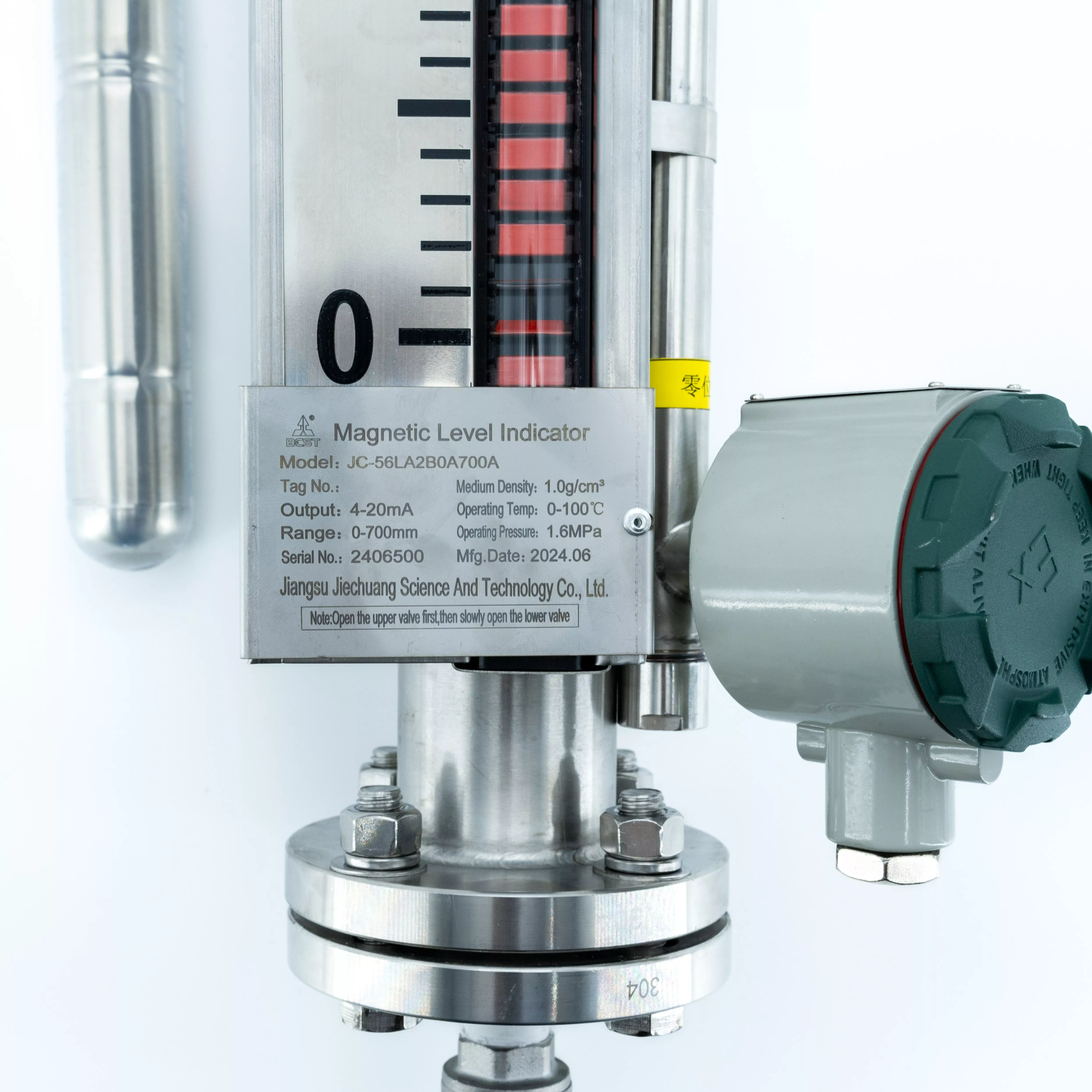
Industry Applications of Remote Transmission Tank Level Indicator Systems
Oil and Gas Storage Monitoring
Fuel terminals and refinery tank farms require precise monitoring to control inventory and maintain safe storage conditions. A remote Tank Level Indicator integrates with SCADA or terminal automation systems to transmit level data, temperature readings, and fill history to centralized control platforms. Operators use this information to manage product transfers, coordinate tanker deliveries, and maintain accurate stock accounting. Radar or guided-wave radar sensors are commonly used because they provide high accuracy even in tanks containing vapor, foam, or volatile fuels. Continuous monitoring also supports automated high-level alarms and overfill protection systems required by industry safety standards, helping facilities maintain stable operations and reliable fuel distribution.
Water Treatment and Municipal Infrastructure
Water treatment plants and municipal utilities manage reservoirs, clarifiers, and storage tanks spread across large service areas. A remote Tank Level Indicator enables operators to monitor water levels, pumping cycles, and storage capacity from a centralized control room. Level data helps balance water supply across distribution zones and ensures reservoirs remain within operational limits for consistent pressure and flow. Ultrasonic or radar level sensors are often selected because they provide reliable non-contact measurement in open tanks and basins. Integrated monitoring platforms also support automated pump control, allowing facilities to optimize water distribution while maintaining stable treatment processes and efficient infrastructure management.
Agriculture and Chemical Processing Operations
In agriculture and chemical plants, tanks store water, fertilizers, acids, solvents, and other process liquids. A Tank Level Indicator with remote transmission helps operators monitor storage conditions continuously and manage liquid resources safely. The following structured overview highlights common applications, technical parameters, and operational considerations in these environments.
| Application Scenario | Stored Medium | Typical Tank Capacity | Recommended Tank Level Indicator Technology | Measurement Range | Accuracy | Output Signal / Communication | Environmental Conditions | Operational Purpose | Key Technical Notes |
| Agricultural Irrigation Tanks | Irrigation water | 5 m³ – 500 m³ | Ultrasonic or Radar Level Indicator | 0 – 10 m typical | ±0.25% – ±0.5% FS | 4–20 mA, Modbus RTU, LoRaWAN | Outdoor, temperature −20°C to 60°C | Maintain stable irrigation supply | Non-contact sensors prevent contamination and reduce maintenance |
| Fertilizer Storage Tanks | Liquid fertilizers (NPK solutions) | 1 m³ – 100 m³ | Guided Wave Radar or Capacitance Indicator | 0 – 8 m typical | ±0.25% FS | 4–20 mA + HART, NB-IoT | Corrosive environments, humidity up to 95% RH | Ensure accurate dosing for fertigation systems | Materials should resist chemical corrosion (PTFE or stainless steel) |
| Agricultural Chemical Mixing Tanks | Pesticides and agrochemical mixtures | 500 L – 20 m³ | Radar or Ultrasonic Indicator | 0 – 6 m typical | ±0.25% – ±0.3% FS | Wireless telemetry + cloud dashboard | Indoor/outdoor processing areas | Maintain correct mixing ratios | Non-contact measurement prevents sensor fouling |
| Chemical Process Storage Tanks | Acids, solvents, and industrial chemicals | 2 m³ – 200 m³ | Radar Level Indicator | 0 – 30 m depending on tank height | ±0.1% – ±0.25% FS | 4–20 mA, Modbus, HART | Hazardous zones, temperature −40°C to 85°C | Continuous process monitoring | Explosion-proof certification (e.g., ATEX) recommended |
| Chemical Reaction Feed Tanks | Reactant liquids in process systems | 500 L – 50 m³ | Guided Wave Radar | 0 – 10 m typical | ±0.1% FS | Industrial Ethernet, SCADA integration | High temperature up to 120°C | Maintain consistent feed levels | Suitable for foaming or turbulent liquids |
| Bulk Liquid Storage in Chemical Plants | Industrial oils, additives, solvents | 10 m³ – 1000 m³ | Radar or Hydrostatic Indicator | Up to 40 m depending on design | ±0.1% – ±0.25% FS | 4–20 mA, digital telemetry | Outdoor tank farms | Inventory tracking and logistics | Radar preferred for large tanks with vapor layers |
Tip:For corrosive fertilizers or chemicals, choose sensors with stainless steel (316L) or PTFE wetted materials. This improves durability and ensures long-term measurement stability in aggressive liquid environments.
Conclusion
Remote transmission greatly enhances the capabilities of a modern Tank Level Indicator, enabling continuous monitoring, instant alerts, and centralized data analysis. These systems improve operational efficiency, strengthen safety management, and support accurate inventory planning across industries. Advanced monitoring solutions from Jiangsu Jiechuang Science And Technology Co., Ltd. deliver reliable performance, helping businesses manage liquid storage more intelligently while ensuring stable operations and long-term industrial value.
FAQ
Q: What is a Tank Level Indicator with remote transmission?
A: A Tank Level Indicator measures liquid levels and sends real-time data to monitoring systems.
Q: Why use a Tank Level Indicator for remote tank monitoring?
A: It improves safety, prevents overfills, and provides continuous tank visibility.
Q: How does a Tank Level Indicator transmit data remotely?
A: Sensors send level signals through wireless networks to a central dashboard.
Q: Can remote tank monitoring reduce operational costs?
A: Yes. It optimizes deliveries, reduces inspections, and improves inventory control.
Q: What industries use remote Tank Level Indicator systems?
A: Oil, water treatment, agriculture, and chemical processing commonly use them.


