
Views: 164 Author: Site Editor Publish Time: 2025-12-26 Origin: Site


Level measurement is a critical component in many industrial processes, ensuring accurate monitoring of materials in tanks, silos, and pipelines. There are various technologies available for level measurement, each suited to different applications and environments. Guided Wave Radar (GWR) is a modern solution known for its precision, reliability, and versatility, particularly in challenging or hazardous environments. Unlike traditional level measurement technologies such as ultrasonic, capacitive, or float-based systems, GWR transmitters offer non-contact measurement, making them ideal for applications involving high-pressure, high-temperature, or explosive conditions. This article will compare Guided Wave Radar with conventional technologies in terms of accuracy, safety, reliability, and cost-effectiveness, helping industries understand when and why GWR may be the best choice for their level measurement needs.
Guided Wave Radar (GWR) uses radar waves transmitted along a probe to measure the level of liquids, solids, or slurries. The radar waves reflect off the material surface and return to the transmitter. The time taken for the waves to return is used to calculate the distance to the surface, providing an accurate level reading. This non-contact method ensures reliable measurements regardless of environmental conditions like temperature or pressure.
Non-Contact Measurement: GWR does not physically contact the material, preventing contamination and wear, especially in harsh environments.
High Accuracy: GWR offers precise measurements, making it reliable even in challenging media.
Suitability for Hazardous Environments: GWR is ideal for explosive, high-pressure, and high-temperature environments due to its non-invasive nature.
High Precision: GWR provides accurate measurements even in difficult conditions such as foam or turbulence.
Minimal Maintenance: With no moving parts, GWR requires low maintenance, reducing downtime.
Versatility: GWR performs reliably in harsh environments, including extreme temperatures, pressures, and corrosive materials.
Ultrasonic level measurement uses high-frequency sound waves to detect the level of liquids or solids. The sensor emits sound waves that bounce off the material surface and return to the sensor, with the time taken to return used to calculate the distance to the surface. While ultrasonic sensors are non-contact and cost-effective, they can be affected by temperature fluctuations, vapor, or foam, leading to inaccuracies. Common applications include water treatment, storage tanks, and chemical plants.
Capacitive level measurement detects changes in electrical capacitance between two electrodes as the material level changes. The capacitance is influenced by the dielectric constant of the material. This method is widely used in liquids, slurries, and powders. While capacitive sensors are accurate, their performance can be impacted by material buildup or changes in the material’s properties. They are commonly used in food processing, pharmaceuticals, and chemical processing.
Float-based level measurement systems use a mechanical float that moves with the material level. The float’s position is measured directly or through a mechanical linkage or magnetic sensor. This technology is simple and cost-effective but has moving parts that wear out over time, requiring maintenance and potentially leading to inaccuracies. It is less effective in turbulent or sticky materials. Float-based systems are typically used in liquid storage tanks and wells.
Guided Wave Radar (GWR) offers superior precision compared to conventional technologies like ultrasonic and float-based systems. GWR remains highly accurate in challenging conditions such as foam, turbulence, or vapor, where ultrasonic sensors may struggle due to environmental factors. Similarly, float-based systems can suffer from mechanical inaccuracies or interference from surface agitation, making GWR a more reliable solution for precise level measurement.
A key advantage of GWR is its ability to measure both liquids and solids, including slurries, high-viscosity fluids, and powders. This versatility makes it suitable for industries like oil and gas, chemical processing, and mining. In contrast, conventional technologies like ultrasonic systems struggle with high-viscosity fluids or media with low reflectivity, while capacitive sensors can be affected by build-up or changes in dielectric constant. GWR provides consistent and reliable measurements across a wide range of materials.
GWR performs exceptionally well in extreme environments like high temperatures, high pressures, and hazardous areas. Unlike ultrasonic and capacitive systems, GWR is less affected by harsh conditions, making it ideal for explosive atmospheres and challenging industrial settings. Its robust design ensures reliable operation where traditional systems might fail, making GWR a safer and more efficient choice for high-risk applications.
Guided Wave Radar (GWR) provides non-contact measurement, which significantly improves safety in explosive environments. By avoiding direct contact with potentially flammable materials, GWR reduces the risk of sparks or electrical failures that could lead to fires or explosions, making it ideal for industries like oil and gas and chemical processing. Conventional technologies like ultrasonic or capacitive sensors are less effective in such hazardous conditions due to their limitations in design or environmental sensitivity.
GWR transmitters have no moving parts, reducing the risk of failure compared to float-based systems, which rely on mechanical components like floats and rods. Moving parts in traditional systems are prone to wear and tear, leading to inaccuracies or breakdowns, which can cause safety risks. The static design of GWR ensures consistent and reliable performance with minimal risk of mechanical failure.
GWR systems are low-maintenance due to their durable, moving part-free design. In contrast, conventional systems like float-based and ultrasonic sensors require more frequent maintenance to address issues such as mechanical wear or calibration errors. GWR’s reduced maintenance needs lower downtime and overall operational costs, improving reliability and efficiency.
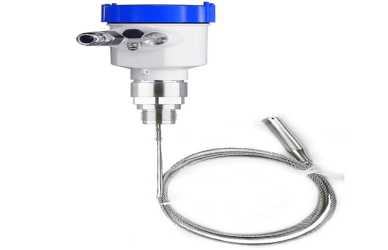
Guided Wave Radar (GWR) transmitters generally have a higher initial cost compared to conventional technologies like ultrasonic or float-based systems. GWR offers advanced features such as non-contact measurement and high accuracy, which contribute to its higher upfront price, while conventional systems tend to be more affordable initially but have limitations in challenging conditions.
Despite the higher initial cost, GWR's durability and low maintenance lead to significant long-term savings. With no moving parts, GWR requires less maintenance and fewer repairs compared to traditional systems, like float-based or ultrasonic sensors, which are prone to wear and mechanical failure. This results in lower maintenance costs and a better return on investment over time.
GWR transmitters help reduce downtime and improve system efficiency, which lowers operational costs. Their reliability and accuracy ensure fewer process disruptions, reducing the risk of costly failures. With fewer breakdowns and less recalibration required, GWR systems contribute to long-term cost savings by maintaining smoother operations.
Guided Wave Radar (GWR) transmitters excel in challenging environments where accuracy, reliability, and safety are crucial. Key applications include:
Oil and Gas: Ideal for explosive environments and high-pressure systems, offering precise measurements in extreme conditions.
Chemical Processing: Handles corrosive substances and high temperatures, ensuring accurate readings in hazardous settings.
Water and Wastewater Treatment: Provides reliable performance in slurries and fluctuating media where other technologies may fail.
Mining: Measures levels in dusty or viscous materials in silos and tanks, where conventional systems struggle.
Food and Beverage: Ensures accurate and hygienic level measurement in food processing applications.
GWR’s versatility makes it the preferred choice in industries with complex or hazardous measurement needs.
Conventional technologies like ultrasonic, capacitive, or float-based systems may still be suitable in:
Mild Environments: Non-hazardous areas with stable conditions where temperature, pressure, and material properties do not fluctuate dramatically.
Simple Applications: Low-risk applications with unobstructed surfaces (e.g., open tanks with low-viscosity liquids).
Cost Sensitivity: When the application doesn’t require the advanced capabilities of GWR and cost savings are a priority.
Guided Wave Radar (GWR) has a higher initial cost than ultrasonic or capacitive sensors, but offers better long-term cost efficiency. GWR requires less maintenance and has a longer lifespan, reducing operational costs over time. Conventional systems may require more frequent repairs, making GWR a more cost-effective solution in the long run.
Yes, GWR can accurately measure both liquids and solids, including slurries, powders, and high-viscosity fluids. Unlike conventional technologies, which may be limited to specific media types, GWR provides reliable measurements across a wide range of materials, making it suitable for industries like oil and gas, chemical processing, and mining.
GWR performs reliably in extreme environmental conditions such as high temperatures and high pressures, unlike ultrasonic and capacitive sensors, which can be affected by factors like temperature changes, foam, or vapor. GWR’s robust design ensures accurate measurements even in challenging environments.
Yes, GWR is often a better choice than float-based systems, especially in hazardous or high-maintenance environments. GWR has no moving parts, reducing maintenance needs and mechanical failure risks. It also performs better in turbulent or viscous materials, where float systems may struggle.
Guided Wave Radar (GWR) offers significant advantages over conventional level measurement technologies in terms of accuracy, safety, reliability, and cost efficiency. GWR provides superior precision in challenging conditions such as foam, vapor, or high-viscosity media, where conventional systems like ultrasonic or float-based sensors may struggle. Its non-contact measurement improves safety, particularly in hazardous or explosive environments, while its robust construction ensures reliable performance under extreme temperatures and pressures. Furthermore, GWR's low-maintenance design reduces operational downtime and long-term costs, making it a more cost-effective solution. For industries operating in demanding environments where conventional technologies may fall short, GWR is the ideal choice to ensure accurate, safe, and efficient level measurement.


